Waterproofing Your Chimney: The Protection Your Brickwork Can't Afford to Skip
Your chimney looks solid — and it probably is. But brick and mortar are far more vulnerable than they appear, especially when it comes to one relentless, everyday force: water. Left unprotected, moisture works its way into your chimney's masonry year-round, quietly doing damage that compounds season after season until what started as a hairline crack becomes a full-scale structural repair.
Why Water Is Your Chimney's Biggest Enemy
Brick is a porous material. So is the mortar that holds it together. That means when rain, dew, or condensation contacts your chimney's surface, the masonry absorbs it — and in North Texas, the real damage begins when temperatures drop. During freeze-thaw cycles, absorbed moisture inside the brick and mortar expands as it freezes and contracts as it thaws. Every cycle puts physical stress on the mortar joints, slowly widening micro-cracks into visible gaps and causing brick faces to spall and flake away. In areas like Denton and Fort Worth, where early-winter nights routinely dip below freezing while afternoons stay mild, chimneys can experience multiple freeze-thaw events in a single week — accelerating deterioration that would otherwise take years.
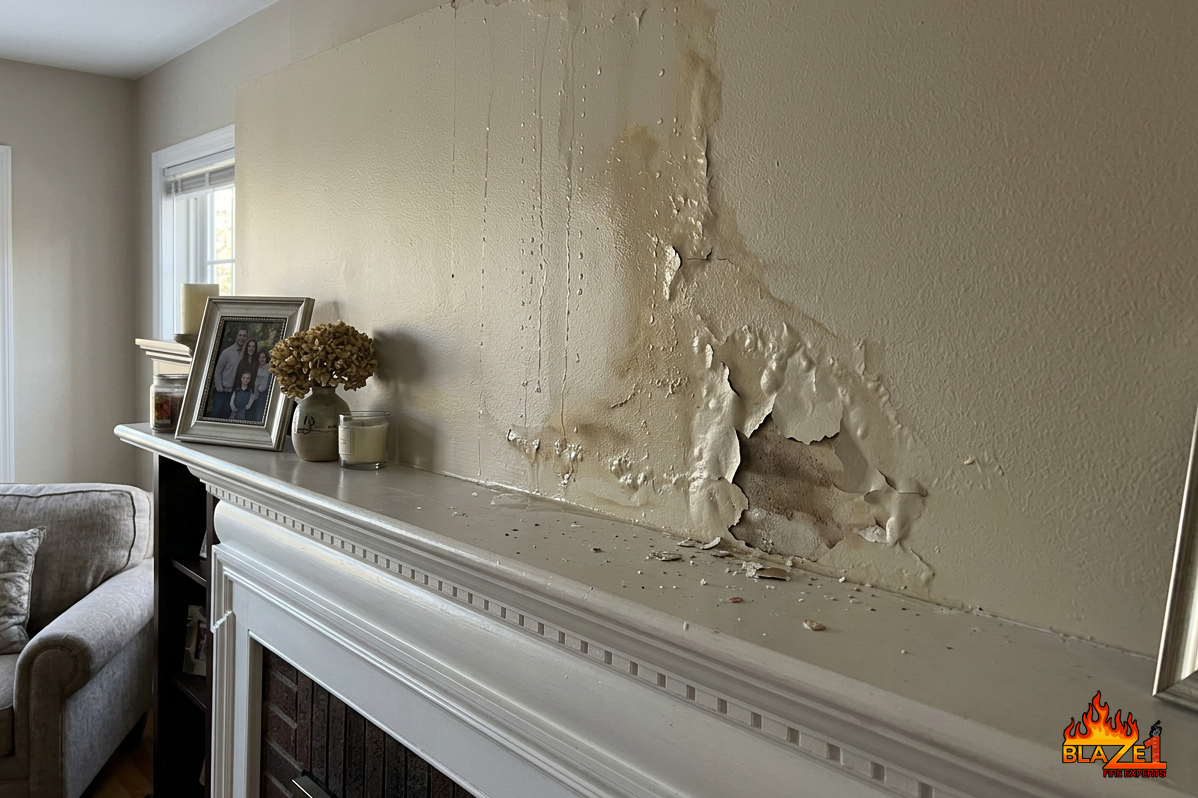
Once mortar joints begin to open up, water penetrates even deeper into the chimney system, eventually reaching the firebox, smoke chamber, and flue liner. The result: interior water damage, rusted dampers, stained ceilings, and potentially compromised structural integrity.
Schedule Chimney Masonry Inspection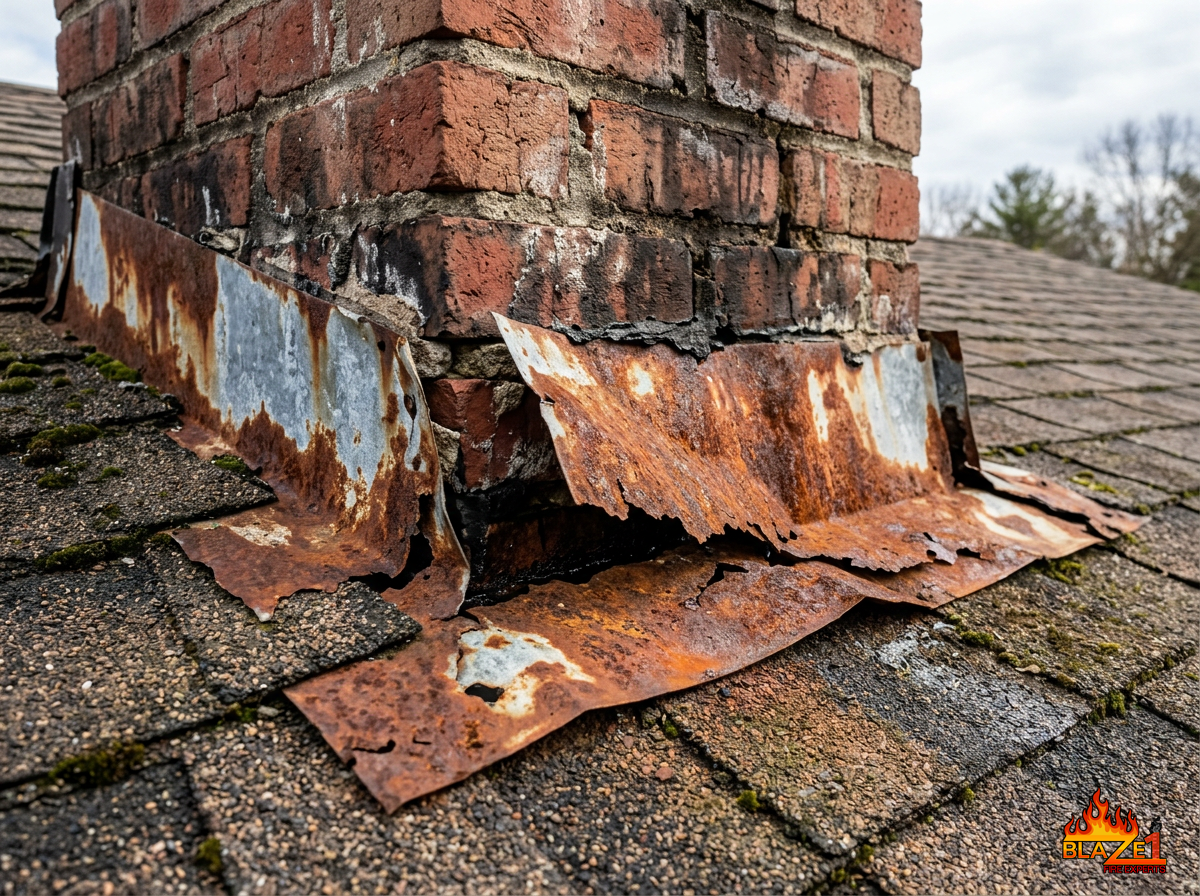
What chimney waterproofing involves
In Denton, Fort Worth and surrounding communities, our team sees the impact of deferred waterproofing every season — chimneys that were sound five years ago now showing serious mortar erosion, staining, and brick deterioration that all trace back to unprotected masonry taking on water year after year.
Professional chimney waterproofing is a targeted service designed to seal your masonry from the outside while still letting the structure breathe. Here's what a complete waterproofing treatment typically covers:
Schedule Chimney Flashing Inspection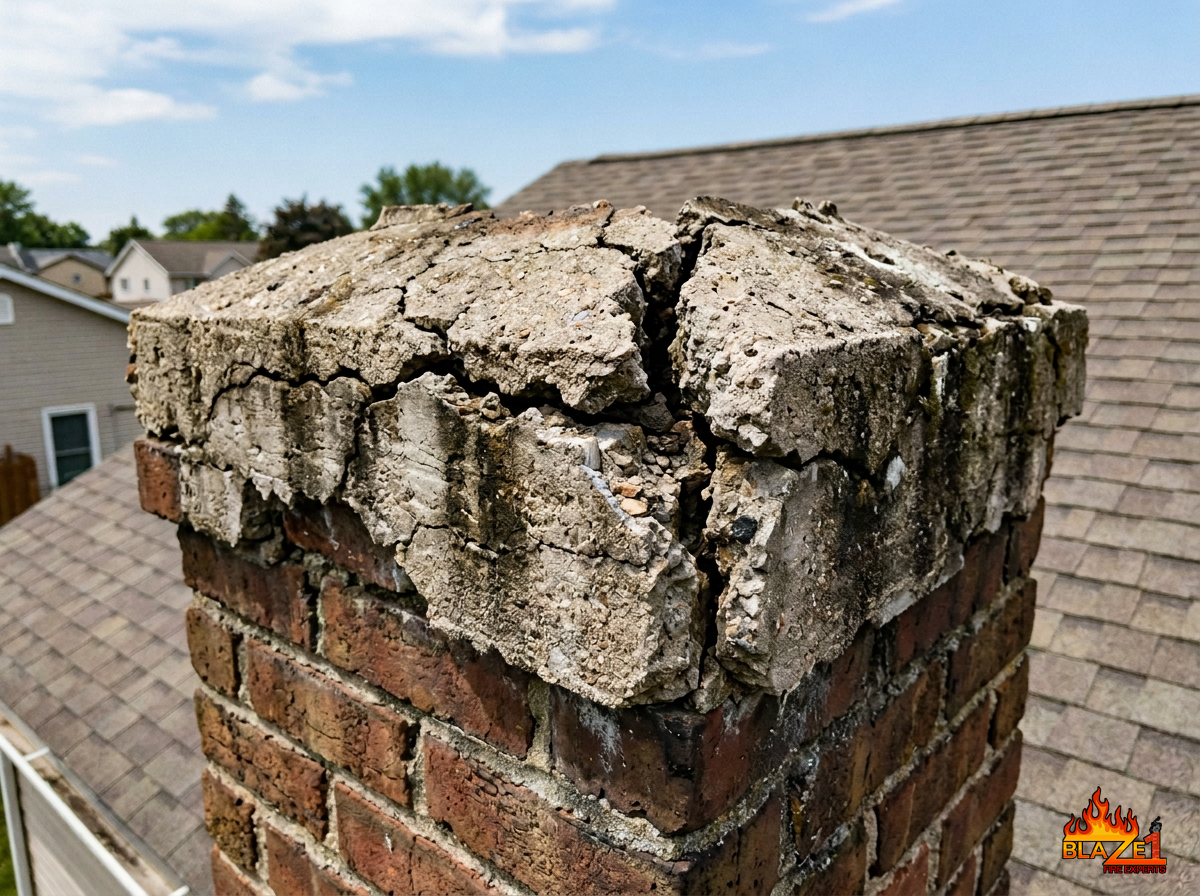
The right sealant makes all the difference
Not all waterproofing products are created equal. Many hardware store water repellents are film-forming sealers that trap moisture inside the masonry — which can actually speed up spalling in freeze-thaw climates. The industry standard recommended by chimney professionals is a penetrating, vapor-permeable sealant that bonds within the masonry pores rather than coating the surface, providing long-lasting protection that works with the natural movement of the structure rather than against it.
A properly applied professional-grade sealant typically carries a 10-year water repellency rating and significantly extends the life of your brick and mortar without changing the appearance of your chimney.