Solving Downdraft Problems: Why Your Fireplace Smokes Back — and How to Fix It
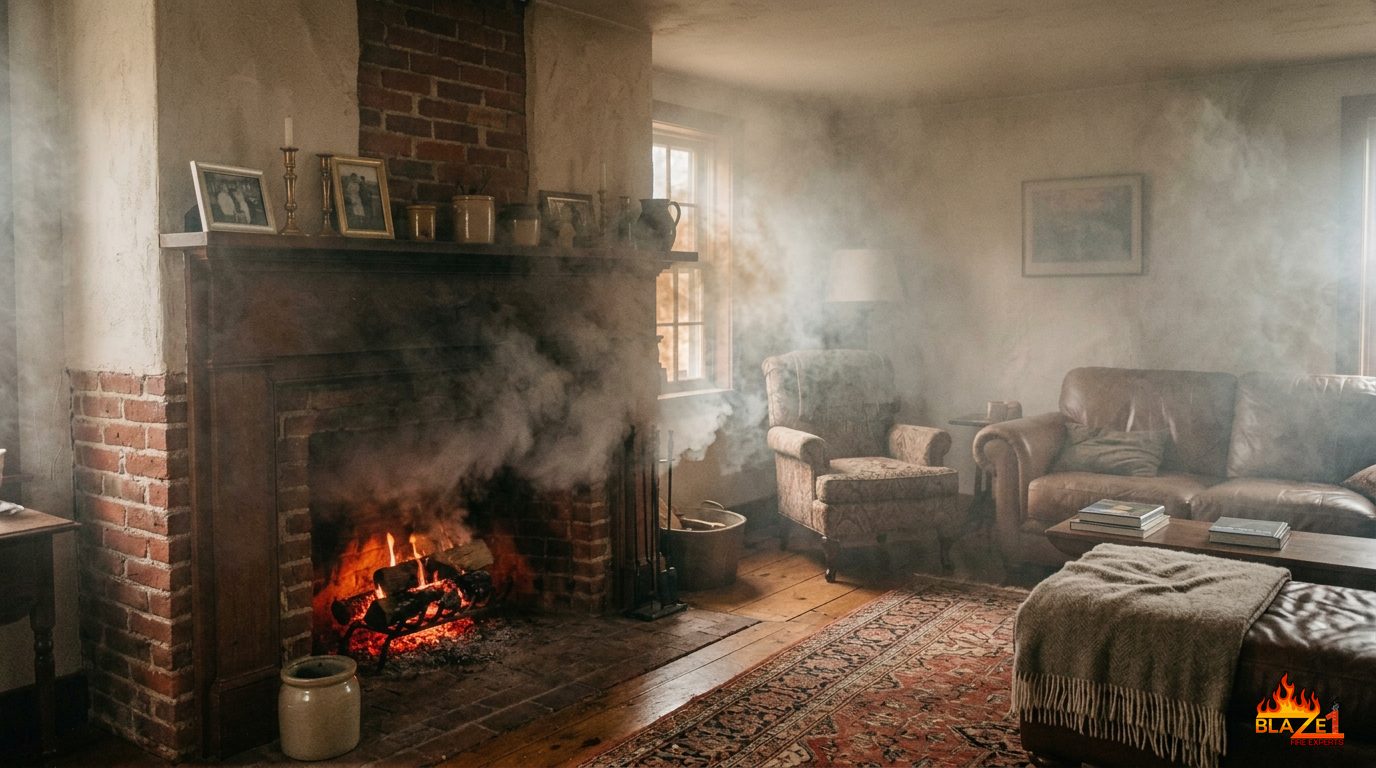
You light a fire, settle into the couch, and within minutes smoke is rolling back into the room instead of rising up through the flue. It's one of the most frustrating fireplace problems a homeowner can face — and one of the most misunderstood. A smoky living room isn't just a nuisance; it's a sign that something in your chimney system is working against you.
What Is a Downdraft, and What Causes It?
A downdraft occurs when air pressure pushes down through your flue rather than allowing combustion gases and smoke to rise upward and vent out. Your chimney is essentially a large vertical air column, and it relies on a pressure differential between the warm air inside the flue and the cooler outside air to create an upward draft. When that balance is disrupted, the chimney can actually act in reverse — drawing cold outside air down and pushing smoke back into the living space.
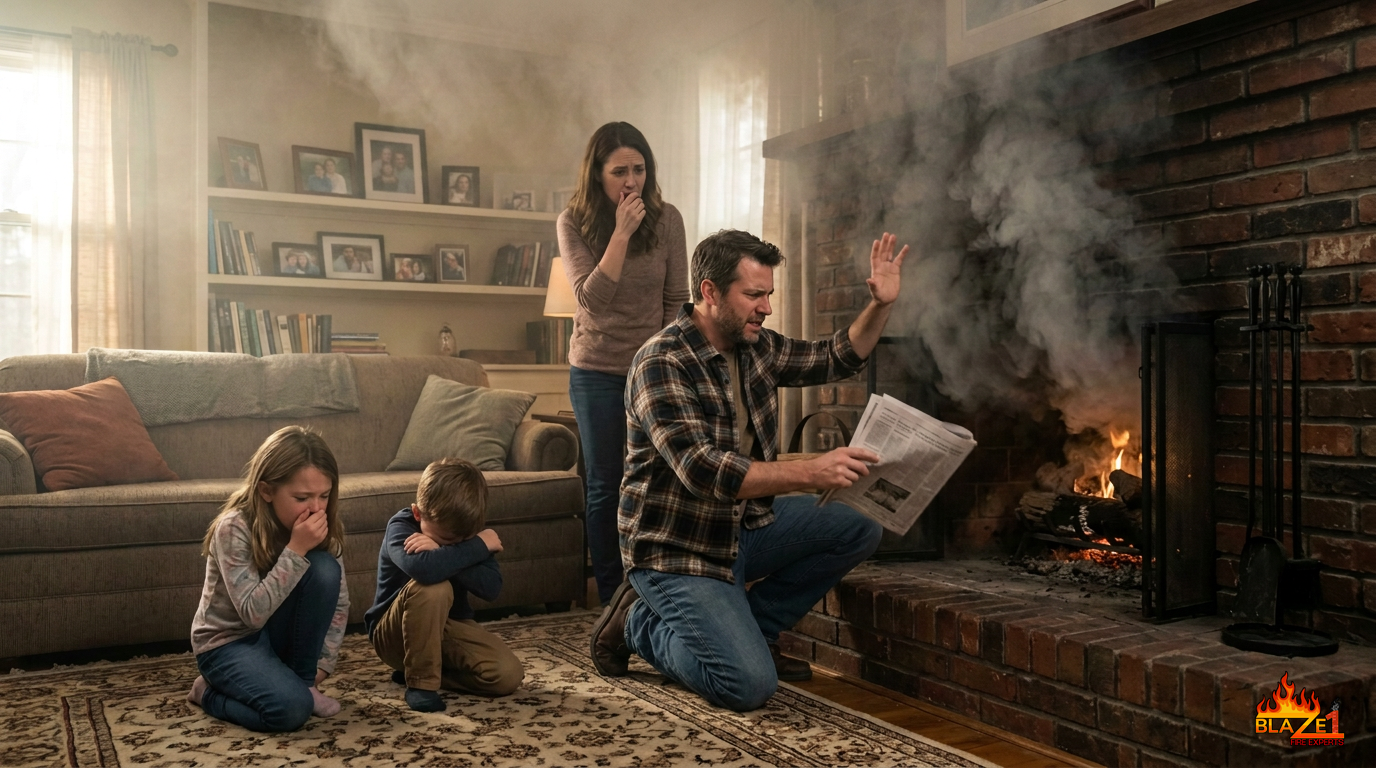
There are several common culprits behind persistent downdraft issues:
In Dallas, where homes are increasingly built to high energy-efficiency standards, negative pressure downdraft is one of the most frequent complaints we hear from homeowners — especially in newer construction where the house is sealed tight but the fireplace wasn't designed with that in mind.
Common Downdraft Issues include:
Schedule a Chimney Inspection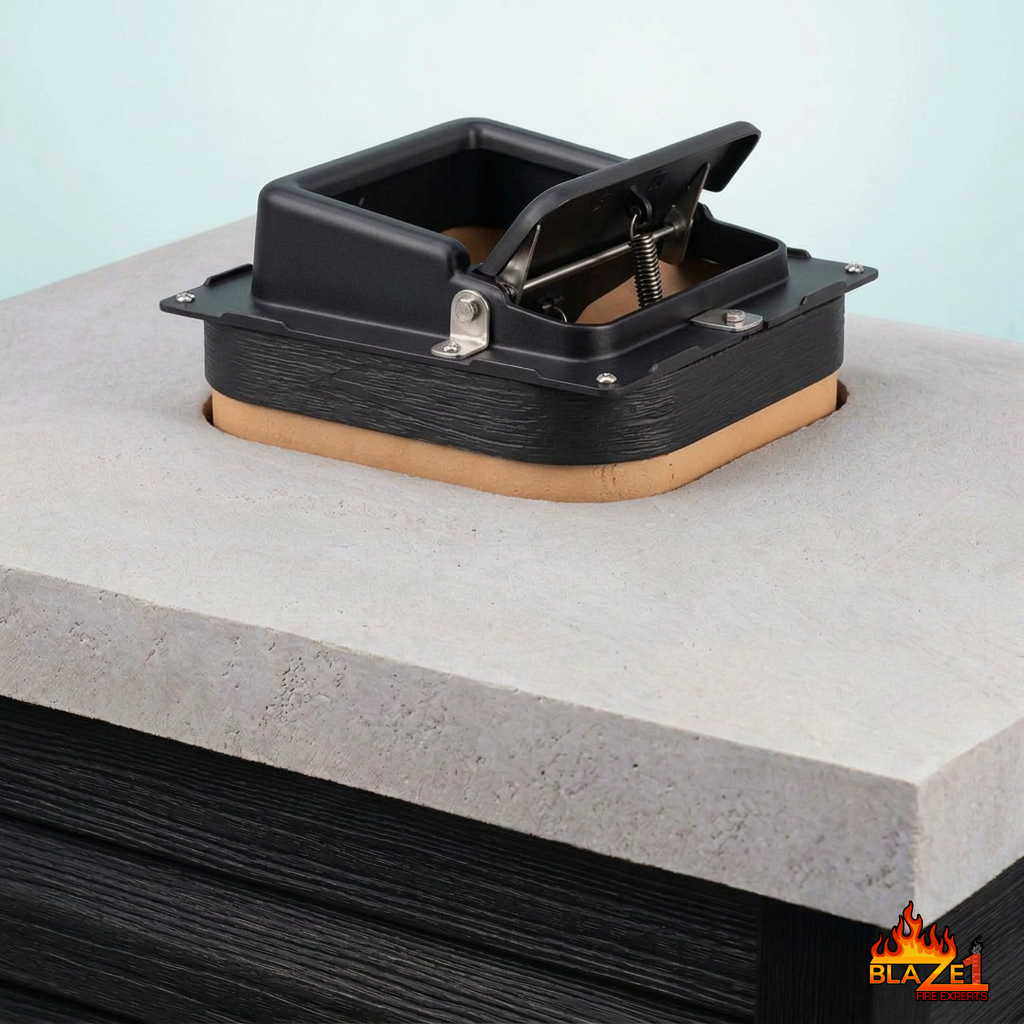
Cold Flue Plugs: A Simple Fix Homeowners Overlook
One of the most effective — and most underused — solutions for chronic cold flue downdraft is a top-sealing damper, also called a flue plug or chimney balloon. Unlike traditional throat dampers located just above the firebox, a top-sealing damper sits at the very top of the flue and creates an airtight seal when the fireplace isn't in use. This keeps warm air inside the flue year-round, so when you're ready to light a fire, draft establishes almost immediately rather than fighting a column of cold air.
For Denton homeowners dealing with seasonal temperature swings, a top-sealing damper also significantly reduces heating and cooling loss through the chimney — a measurable improvement in home energy efficiency alongside the draft benefits.
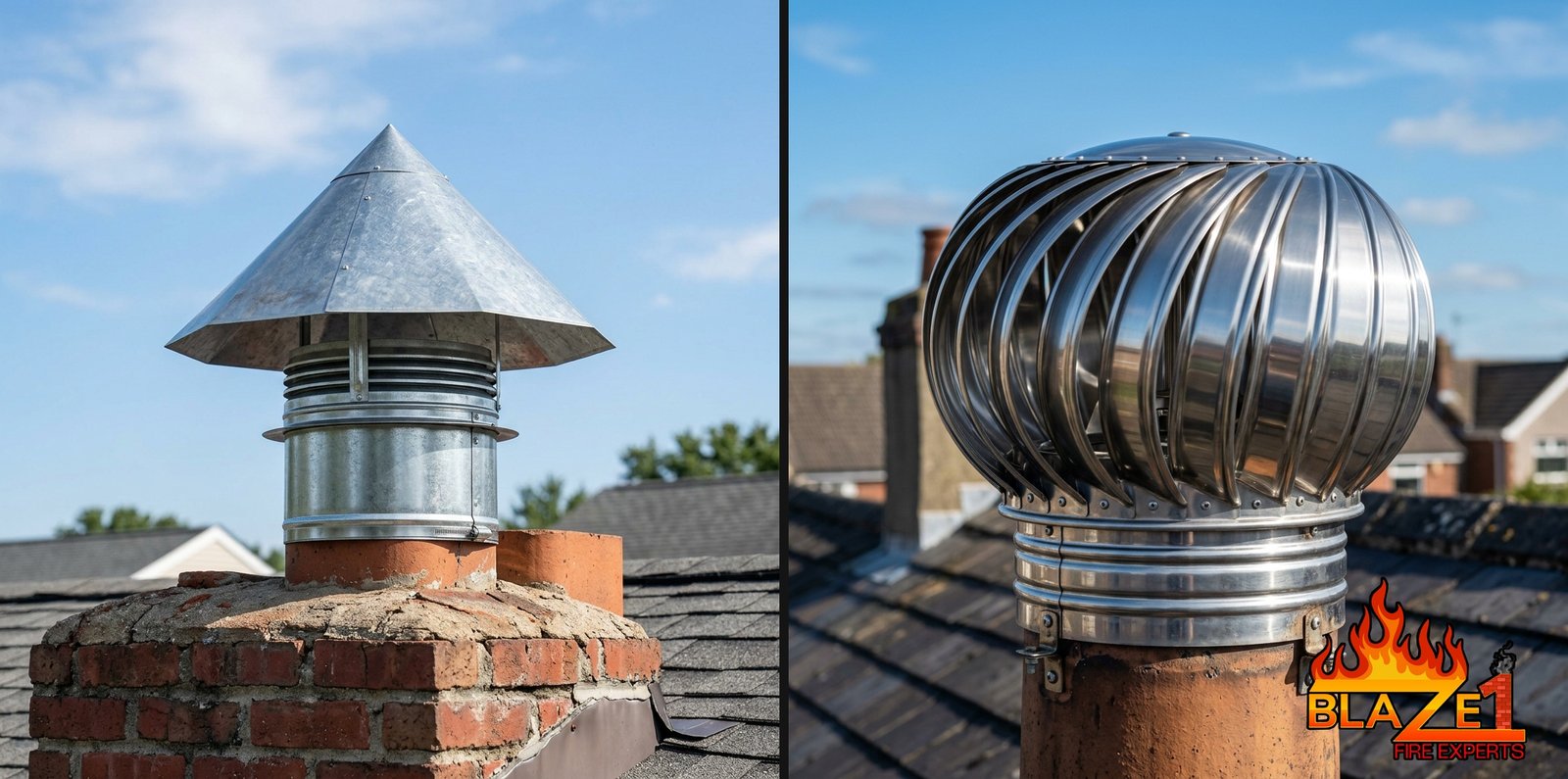
How Specialized Caps Correct Air Pressure
When the downdraft problem is rooted in wind patterns, outside air intrusion, or turbulence at the chimney top, a draft-inducing chimney cap is often the most targeted solution. These specialized caps are engineered to use wind movement to actively pull air upward through the flue rather than allowing it to push back down. Unlike standard rain caps, draft caps work with the direction of the wind regardless of which way it's blowing, converting external air pressure into a consistent upward draw.
Common cap solutions for draft problems include:
The right solution depends on your specific chimney geometry, home layout, and the primary cause of the draft failure — which is why a diagnostic inspection always comes before a cap recommendation.