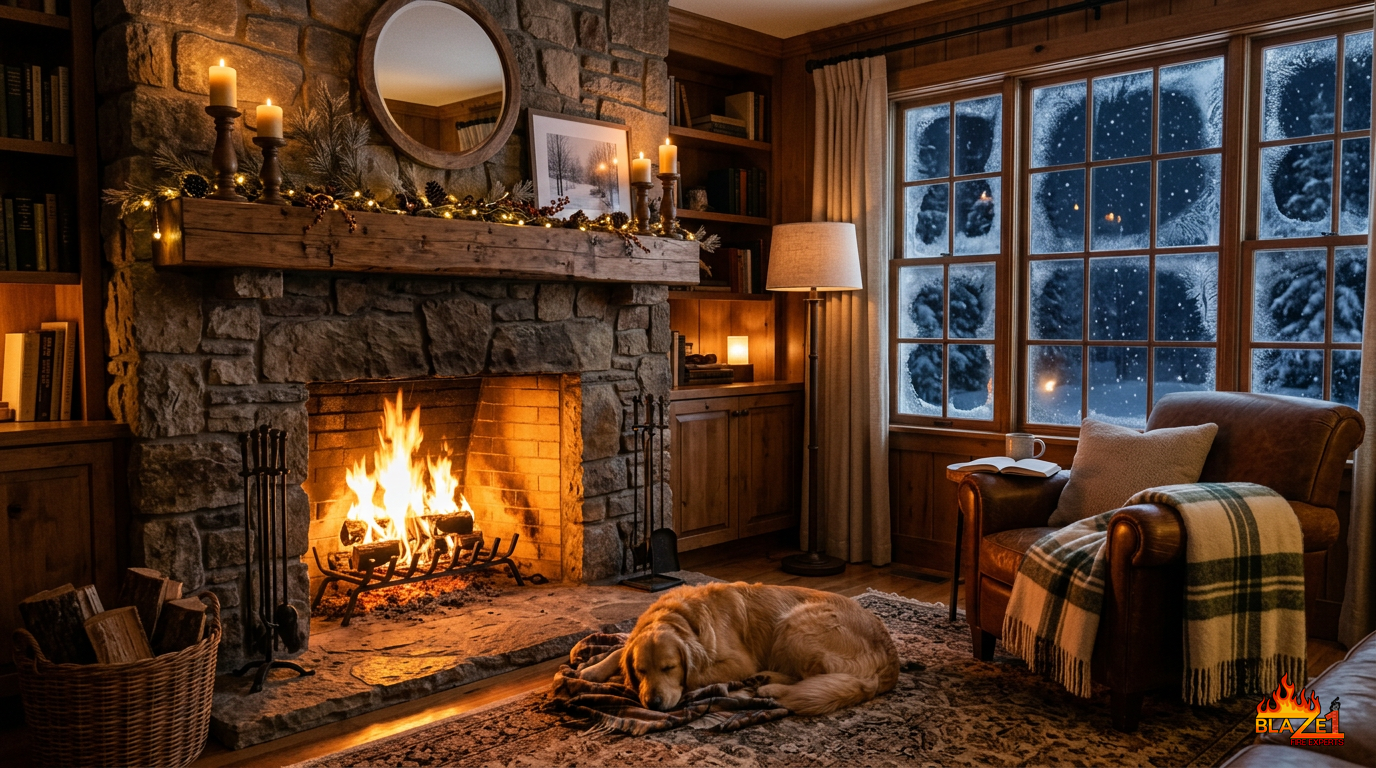
Winter ready checklist
Before you reach for that first log of the season, your fireplace deserves more than a quick glance. A few simple checks now can save you from a cold, smoky — or worse, dangerous — situation mid-winter.
What's at steak before that first fire?
There's something deeply satisfying about the first fireplace fire of the season. The crackle of wood, the warm glow, the smell of a home coming alive again. But behind that hearth is a system that's been sitting dormant through the heat of a Texas summer — and dormant doesn't always mean ready.
For homeowners in Frisco, where newer builds are common, it's easy to assume a fireplace is maintenance-free. It isn't. Even relatively new systems can develop issues over an off-season — from cracked flue tiles to damper seals that've warped in the summer heat.
Here's your fast checklist to make sure your fireplace and chimney are ready to perform safely all winter long.
Over time, extreme thermal stress causes mortar joints to crumble and bricks to crack. A compromised firebox allows dangerous flue gases like carbon monoxide, along with intense heat and sparks, to bypass safe channels and escape into combustible wall spaces, posing an immediate structural fire hazard.
Schedule my Inspection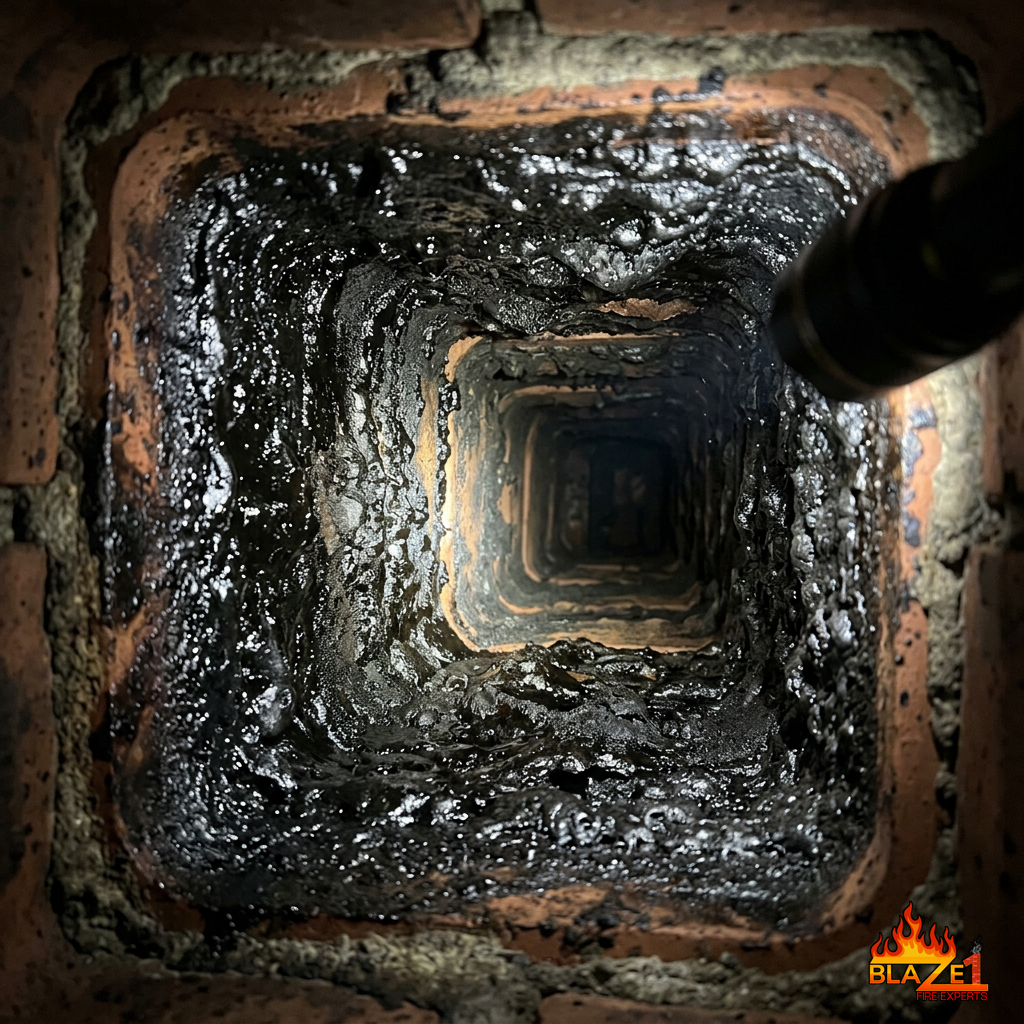
The Winter Fireplace Checklist: What to Look For
In the Dallas–Fort Worth area — including communities like Plano and Frisco — clay soils and seasonal temperature swings can accelerate the wear on mortar joints. Homeowners in these areas often notice cracks appearing after back-to-back cold and warm spells, which is perfectly normal but worth addressing promptly before minor cracking becomes a full rebuild.A well-maintained masonry firebox can last 50 years or more — but only with routine inspections and timely repairs. Neglect a small crack today, and you could be looking at a full firebox rebuild in just a few seasons.
Run through these key areas before lighting your first log:
Schedule my fireplace Inspection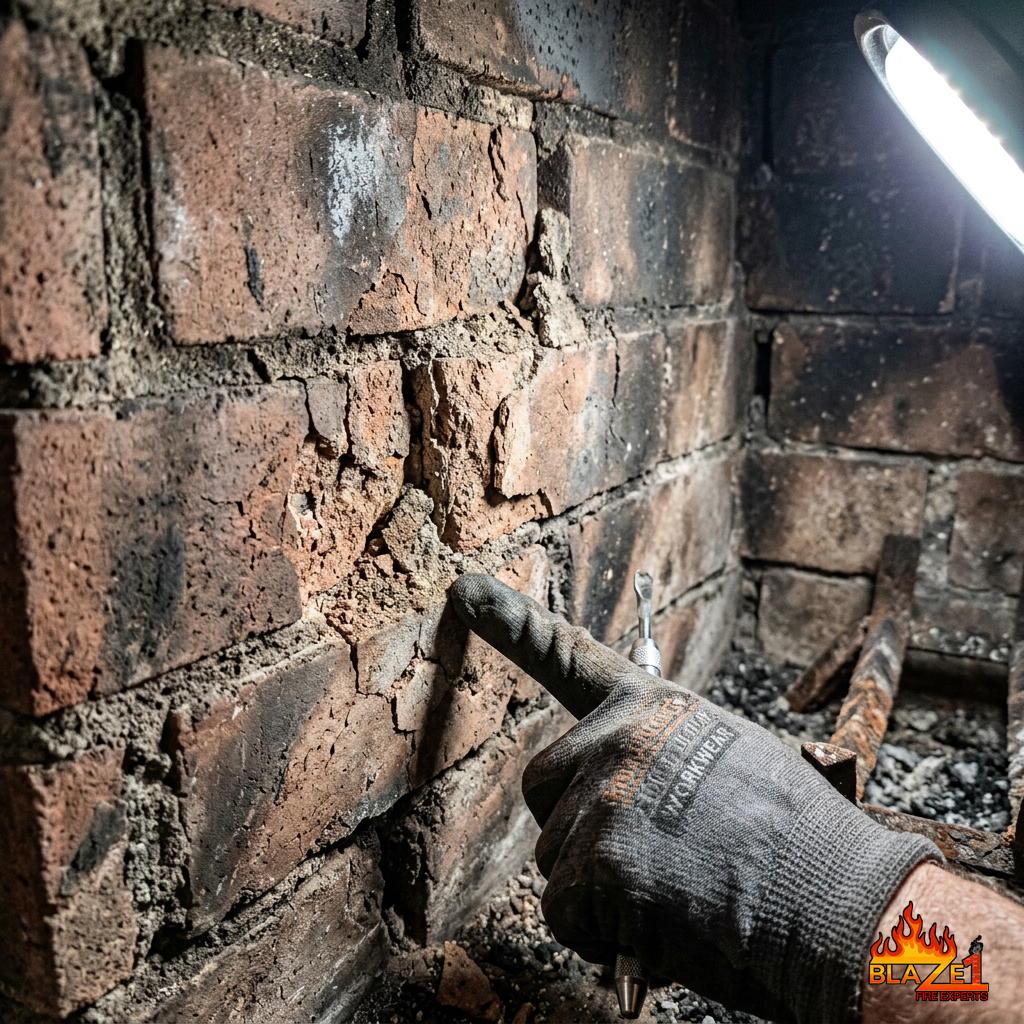
When to Call a Pro Instead of Going at It Alone
Some of these checks — like cap and damper inspection — a handy homeowner can manage. But flue liner integrity, creosote levels, and firebox masonry should always be evaluated by a certified chimney technician.
In Plano, where many homes have older masonry chimneys, seasonal wear is especially common. Mortar that looked fine in spring may have shifted after months of heat expansion and contraction. The difference between "looks okay" and "is actually safe" is a trained eye and the right tools.
Annual inspections aren't just a suggestion — they're what keep your system warrantable, insurable, and safe for your family.