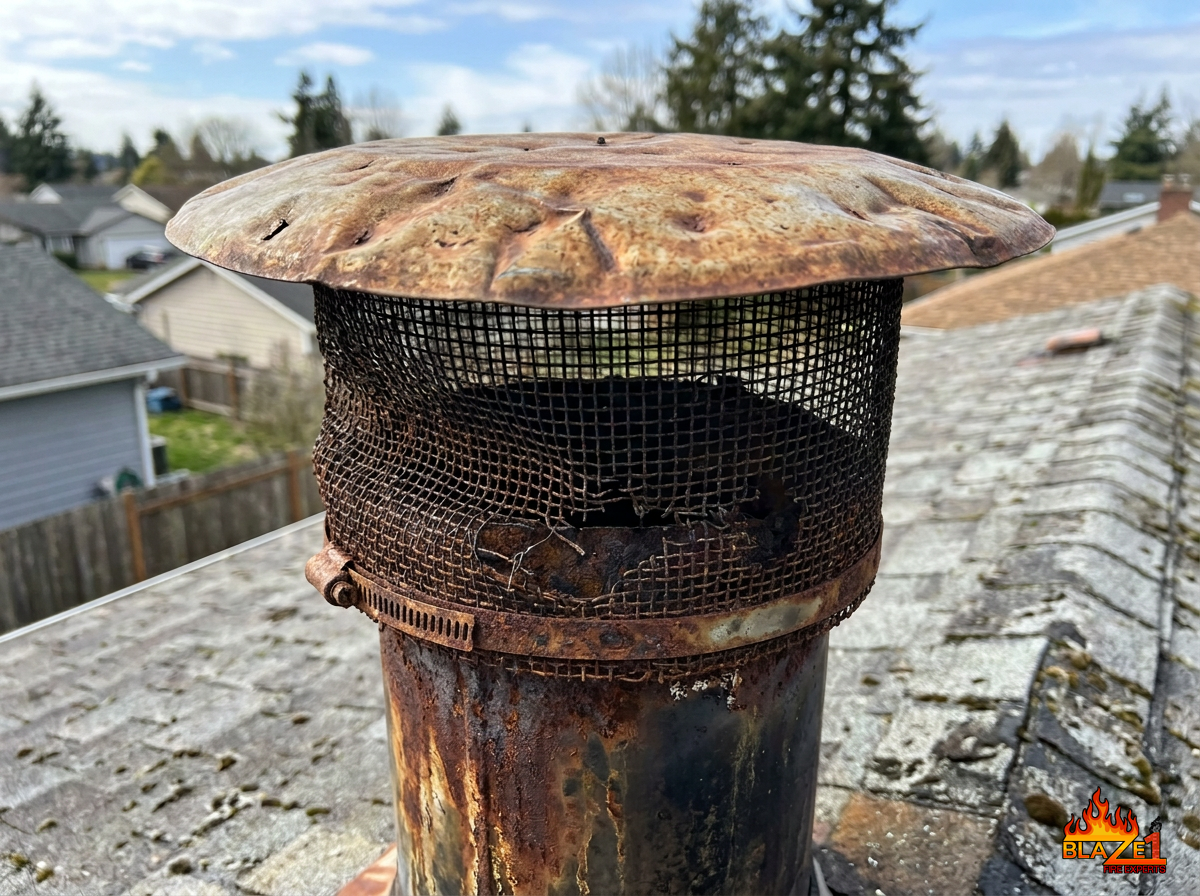
Safety First: Spark Arrestors — The Small Device That Protects Your Entire Roof
One moment you're unwinding by the fire, the next a hot ember has drifted up through the flue and landed on your roof deck. It sounds unlikely — until it happens. A spark arrestor is one of the simplest, most affordable devices on your chimney, and one of the most important things standing between a cozy fire and a roofing emergency.
What Is a Spark Arrestor, and Why Does It Matter?
A spark arrestor is a mesh screen device installed at the top of your chimney, typically built into or attached beneath your chimney cap. As combustion gases and smoke rise through the flue and exit at the top, the mesh screen intercepts any live embers or burning particles before they can escape into the open air. Wood-burning fireplaces produce embers regularly — especially when burning softwoods, oversized logs, or fires that haven't fully caught. Without a spark arrestor, those embers exit the chimney still hot enough to ignite roofing shingles, dry leaves in gutters, or nearby landscaping. In North Texas communities like Denton, where many neighborhoods have mature trees and heavy leaf coverage in the fall, that risk is very real and very close to home.
A properly functioning spark arrestor doesn't just protect your roof — it protects neighboring properties too. Embers travel farther than most people expect on a windy evening.
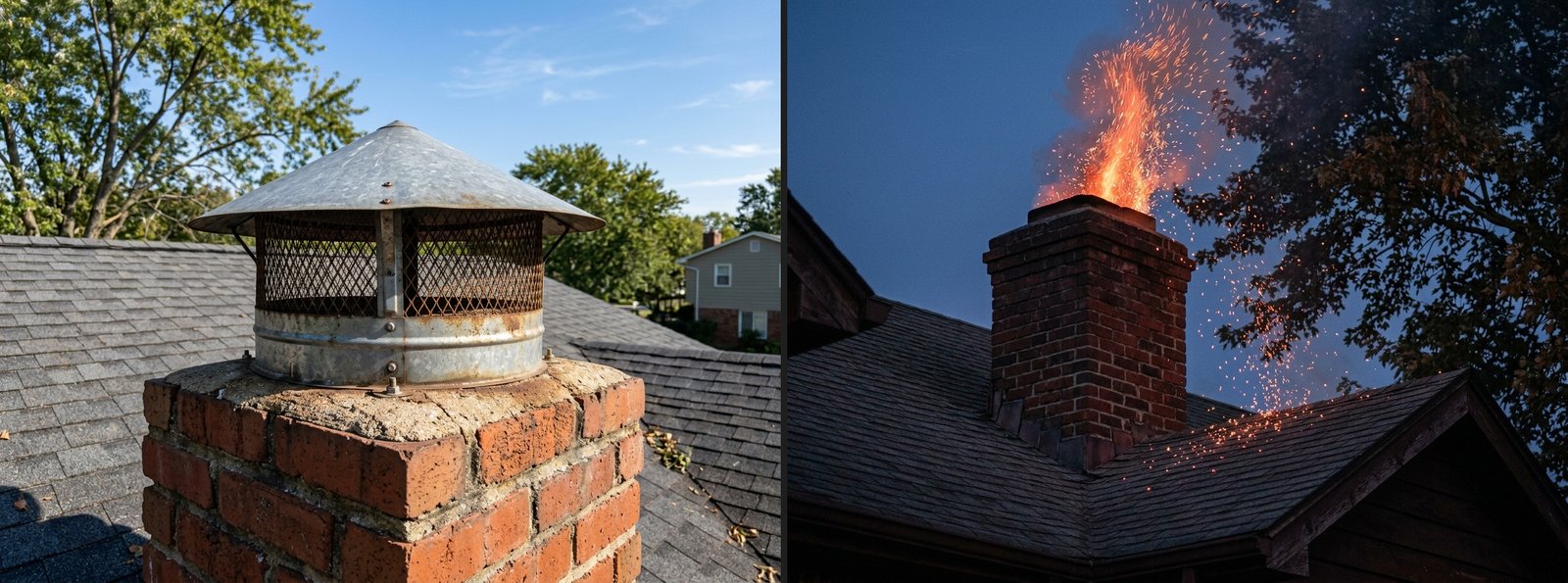
What Spark Arrestors Do — and What Wears Them Out
In cities like Denton and Fort Worth, where wind gusts during weather fronts can be significant, damaged or missing spark arrestors are one of the most common findings during chimney inspections each fall. Replacing a worn screen before the season starts takes minutes — dealing with the result of skipping that step takes much longer.
The mesh screen that makes a spark arrestor effective is also what makes it vulnerable over time. Here's what to watch for:
Schedule my chimney Inspection
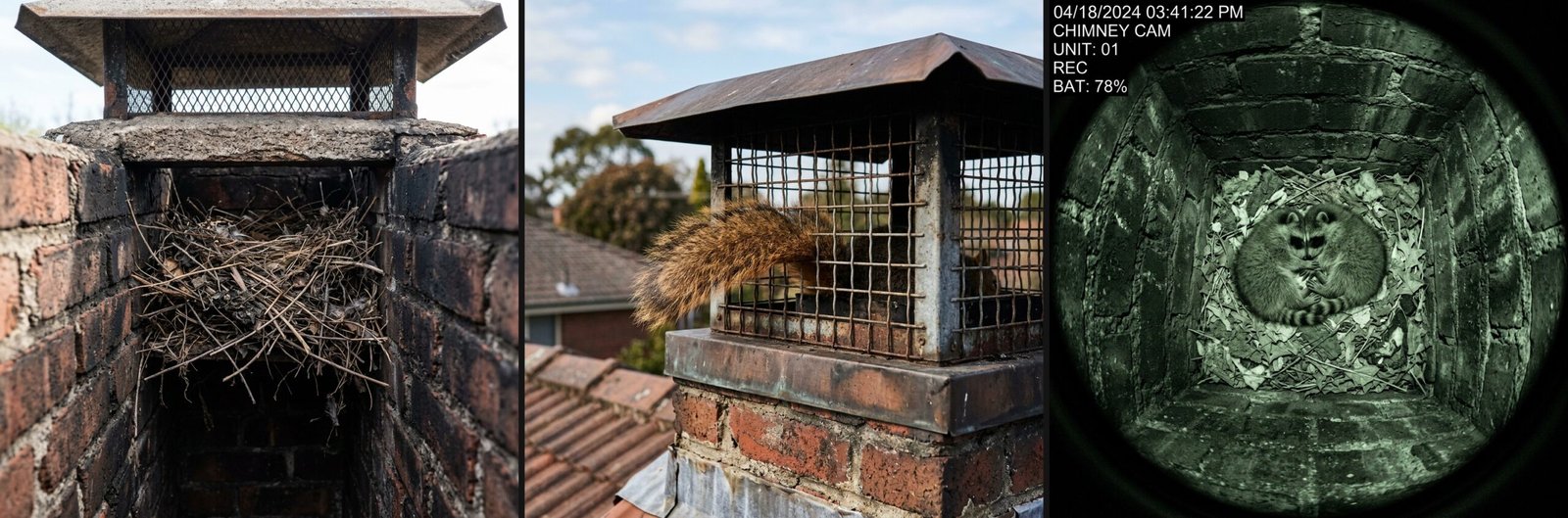
The Critter Keeper: Spark Arrestors as Pest Barriers
Here's a benefit many homeowners don't think about until they hear the scratching: spark arrestors double as a barrier against nesting animals. in Denton and Fort Worth Squirrels, starlings, chimney swifts, and raccoons are all known to enter chimneys when no cap or screen is present — and once inside, they build nests that block ventilation, create fire hazards, and can be extremely difficult to remove. A clogged flue from a bird or squirrel nest doesn't just reduce draft — it can push carbon monoxide back into your home during a fire. A well-fitted spark arrestor with an intact mesh screen keeps critters out year-round, not just during burning season.
Book an Inspection